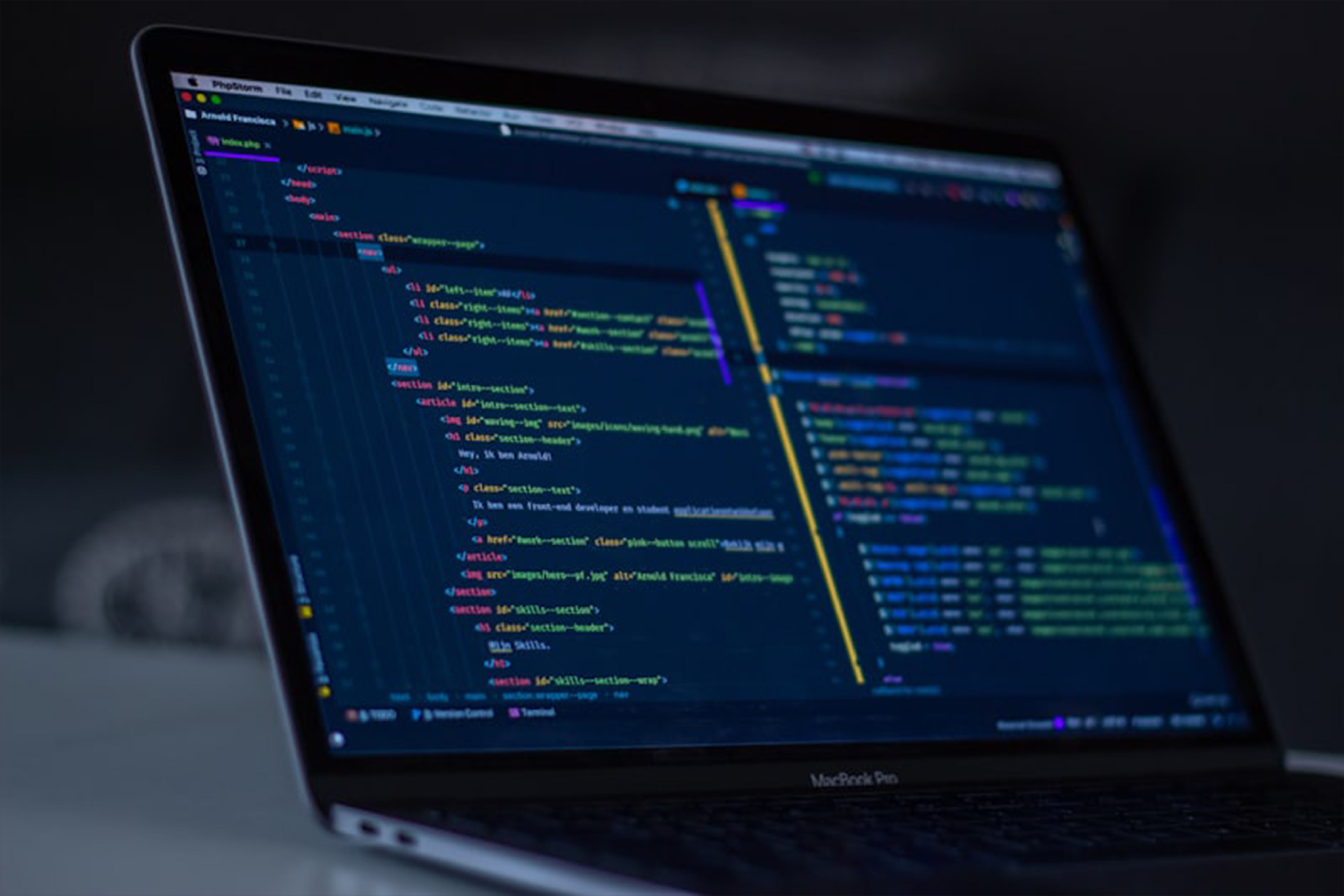
Introduction to Programming | Coding is a beginner-friendly practical course designed to give learners a strong foundation in computer programming, coding, logical thinking, and problem-solving. The course introduces learners to the concepts and techniques used to create computer programs and simple software applications.
Learners will begin with programming fundamentals and computational thinking before progressing into variables, data types, operators, conditional statements, loops, functions, data structures, file handling, debugging, object-oriented programming, databases, and introductory web programming.
Python is used as the primary programming language because of its clear and beginner-friendly syntax and its wide application in software development, automation, data analysis, artificial intelligence, cybersecurity, web development, and other technology fields.
The course is highly practical and combines theory with coding exercises, assignments, problem-solving activities, and real-world projects. Learners will progressively develop programs that demonstrate their understanding of programming concepts.
By the end of the course, learners should be able to understand programming logic, design simple algorithms, write and run Python programs, work with different types of data, use conditions and loops, create reusable functions, manage files, identify and correct programming errors, work with basic databases, and develop simple applications.
The course is suitable for beginners, students, ICT learners, computer science students, aspiring software developers, entrepreneurs, professionals, and anyone interested in learning programming and coding. No previous programming experience is required.
Introduction to Programming
This module introduces learners to programming, coding and software development. Learners understand how computers process instructions and how programmers use code to solve problems and create applications.
1 LessonsComputational Thinking and Problem Solving
Learners develop the logical thinking and problem-solving skills required to analyze problems and create step-by-step solutions that can be implemented using code
2 LessonsPython Programming Fundamentals
This module introduces the basic syntax and structure of Python programming and helps learners begin writing simple programs.
2 LessonsVariables and Data Types
Learners learn how programs store, represent and manipulate different types of information.
2 LessonsOperators and Expressions
This module teaches learners how to perform mathematical calculations, comparisons and logical operations using programming operators.
2 LessonsConditional Statements
Learners learn how programs make decisions based on conditions, comparisons and user input.
2 LessonsLoops and Iteration
This module teaches learners how to repeat instructions efficiently and process multiple pieces of information using loops.
2 LessonsStrings and Text Processing
Learners develop practical skills for storing, manipulating and processing text within computer programs.
2 LessonsPython Data Structures
This module introduces data structures that allow programmers to store and organize multiple values efficiently.
2 LessonsFunctions and Modular Programming
Learners learn how to divide programs into reusable components using functions, making applications easier to develop, understand and maintain.
2 LessonsError Handling and Debugging
This module teaches learners how to identify, understand, troubleshoot and correct errors in computer programs
2 LessonsFile Handling
Learners learn how programs can create, read, modify and manage files for storing information.
2 LessonsObject-Oriented Programming Fundamentals
This module introduces object-oriented programming concepts and teaches learners how to organize larger programs using classes and objects.
2 LessonsIntroduction to Databases and SQL
Learners are introduced to databases and learn how applications store, retrieve and manage structured information.
2 LessonsIntroduction to Web Programming
This module introduces learners to the basic technologies used to create websites and web applications and shows how programming works within a web environment.
2 LessonsProgramming Tools and Development Environment
Learners become familiar with the tools used by programmers to write, test, organize and manage software projects.
2 LessonsPractical Coding Projects
Learners apply the programming concepts covered throughout the course by developing small practical applications.
2 LessonsFinal Programming Project and Assessment
The final module allows learners to demonstrate their programming knowledge by designing, developing, testing and presenting a complete beginner-level application.
2 Lessons
Senior ICT Academy
Login To Leave Review
- Price
USh300,000
USh600,000 - Instructor Senior ICT Academy
- Duration 120 days
- Category Web Development
- Curriculum 18
- Lectures 35
- Enrolled 0