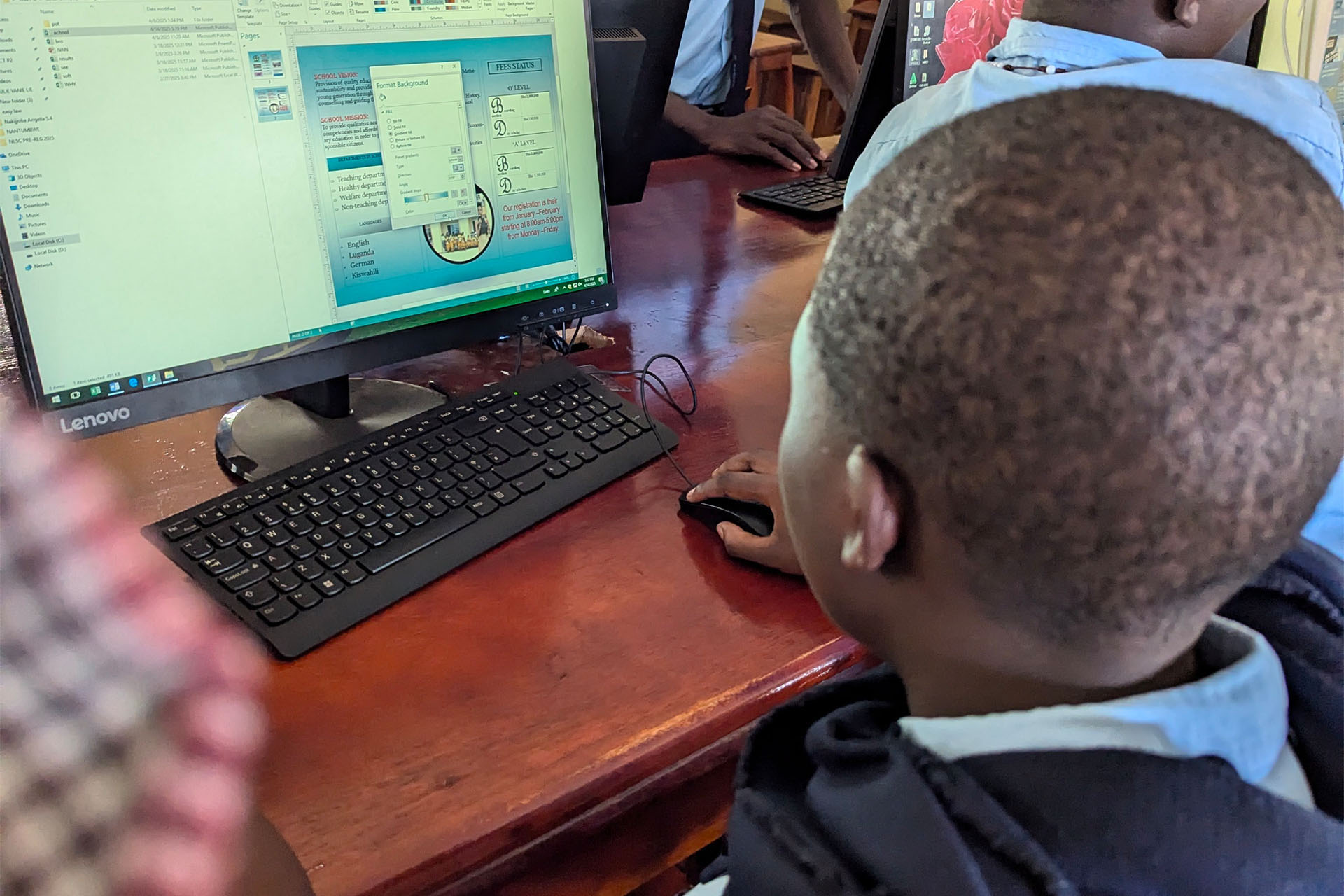
Information and Communication Technology continues to create opportunities in programming, networking, cybersecurity, web development, database management, cloud computing, technical support, artificial intelligence, digital forensics, and many other areas.
Building a successful ICT career requires more than obtaining a certificate. Professionals need practical experience, problem-solving skills, communication abilities, continuous learning, and the willingness to adapt to changing technologies.
The first step is identifying an area of interest. Someone interested in creating websites might begin with HTML, CSS, JavaScript, databases, and web development. Someone interested in cybersecurity may develop knowledge of networking, security principles, system administration, and digital investigation.
Practical experience is extremely valuable. A programming student can build a website or simple application. A networking student can practice network configuration in a controlled laboratory environment. A database student can design a small database for a real-world scenario.
Building a professional portfolio can also demonstrate practical ability. It can contain projects, websites, applications, documentation, research work, and other legitimate examples of completed work.
Soft skills are equally important. ICT professionals often work with clients, managers, colleagues, and users, making communication, teamwork, customer service, critical thinking, and problem-solving essential.
Because technology changes rapidly, ICT professionals should continue learning throughout their careers. New areas such as artificial intelligence, cloud computing, automation, and advanced cybersecurity continue to create new possibilities.
An ICT career can therefore be developed step by step through education, practical experience, professional development, networking, and continuous improvement.